
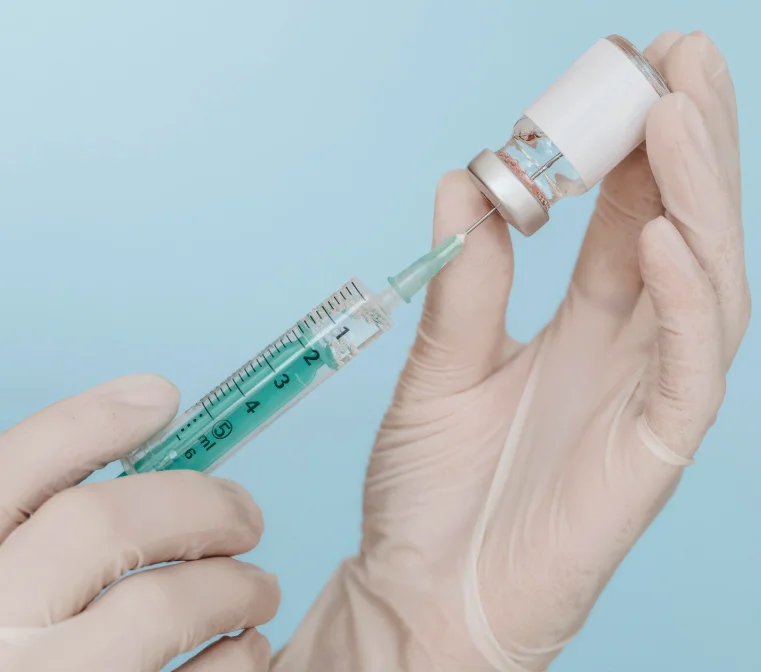
Cervical cancer prevention begins well before abnormal cervical cells or cancer symptoms appear. One of the important preventive measures is vaccination against human papillomavirus, commonly known as HPV. Certain high-risk HPV infections are responsible for almost all cervical cancers, making prevention of persistent infection an important part of reducing future risk.
For families considering cervical cancer vaccination in Palam Vihar Gurugram, knowing what the vaccine does, when it is generally recommended, and why vaccination does not replace cervical screening can make the decision more informed. The vaccination plan should always be discussed with a qualified healthcare professional according to age, health circumstances, and the applicable vaccine schedule.
HPV refers to a large group of viruses, many of which do not cause lasting problems. In most people, HPV infection is controlled naturally by the immune system. However, some high-risk HPV infections can persist and cause changes in cervical cells. Over time, these changes may develop into cervical cancer if precancerous disease is not detected and treated.
The HPV vaccine is designed to prevent infection with HPV types associated with cancer and other HPV-related diseases. It is a preventive vaccine rather than a treatment for an existing HPV infection or cervical cancer. This distinction is important because vaccination works by reducing the chance of acquiring certain HPV infections rather than removing an infection that is already present.
HPV vaccination is most effective as a preventive measure when given before exposure to HPV. WHO identifies girls aged 9–14 years, before sexual activity, as the primary target population for vaccination. Depending on age, immune status, and the applicable recommendations, vaccination may involve one or more doses.
This does not mean that older adolescents or adults should automatically assume vaccination has no value. The potential role of vaccination at an older age can depend on individual circumstances and local recommendations. A healthcare professional can clarify whether vaccination is appropriate and which schedule applies.
The decision around HPV vaccination can involve several practical details rather than simply choosing a vaccine and receiving an injection. A consultation can help clarify:
Age and vaccination history: The appropriate schedule depends partly on the person's age and whether previous HPV vaccine doses have already been received.
Health circumstances: Certain medical conditions or immune-system concerns may affect the recommended vaccination schedule. WHO specifically notes that immunocompromised individuals may require additional doses.
Previous HPV exposure: Vaccination is preventive and does not treat an existing HPV infection, so expectations should be realistic.
Future screening: Vaccination does not eliminate the need for cervical cancer screening. Screening remains important because HPV vaccines do not protect against every cancer-causing HPV type.
Protecting cervical health involves more than vaccination alone. Cervical screening can identify HPV infection or precancerous changes before they develop into invasive cancer, allowing appropriate follow-up and treatment when necessary. WHO's current guidance continues to emphasize HPV-based screening as an important part of cervical cancer prevention.
This is why receiving the vaccine should not create a false sense that future screening is unnecessary. Vaccination and screening serve different purposes. The vaccine reduces the risk of certain HPV infections, while screening looks for changes that may require further evaluation or treatment.
Preventive healthcare is often easier to manage when it becomes part of routine health planning rather than something considered only after a problem develops. Parents may discuss HPV vaccination during their daughter's adolescent healthcare visits, while older individuals can ask whether vaccination remains appropriate for their circumstances.
Dr. Munisha Sharma can guide women and families considering cervical cancer vaccination in Palam Vihar Gurugram, taking factors such as age, previous vaccination, medical history, and preventive-care needs into consideration. The discussion can also help place vaccination alongside appropriate cervical screening and other measures that support long-term reproductive health.
The HPV vaccine helps prevent infection with HPV types associated with cervical cancer and other HPV-related diseases. It is intended for prevention and does not treat an existing HPV infection or cervical cancer.
WHO identifies girls aged 9–14 years, before sexual activity, as the primary target group. Recommendations for older adolescents and adults can vary according to age, health circumstances, vaccine availability, and local guidance.
No. The vaccine is preventive and does not treat an existing HPV infection. This is one reason vaccination is ideally given before exposure to HPV.
Yes. Vaccination does not protect against every cancer-causing HPV type, so appropriate cervical screening remains an important part of prevention.
Yes. The potential benefit and appropriate schedule can vary according to individual circumstances. A doctor can review age, previous vaccination, health history, and other relevant factors before advising on vaccination.
CTA: Discuss your preventive-care needs with Dr. Munisha Sharma for cervical cancer vaccination in Palam Vihar Gurugram and clarify the vaccination schedule and screening considerations relevant to you.
Dr. Munisha Sharma.All Rights Reserved © 2026


.jpeg)