
Receiving a vaginal cancer diagnosis can bring many questions about what happens next, particularly when surgery has been mentioned as part of treatment. The appropriate approach depends on details such as where the tumour is located, how large it is, its stage and type, and the person's overall health. These factors help determine whether surgery is suitable and how extensive it may need to be.
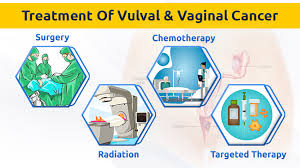
Treatment does not always revolve around an operation alone. Depending on the individual diagnosis, radiation therapy, chemotherapy, or a combination of treatments may also have a role. Looking at these options together helps place surgery within the wider plan of care.
One of the first priorities is establishing a clear picture of the cancer before deciding on treatment. Examination, biopsy findings, imaging, and staging information can help the medical team determine where the disease is located and how it may be managed. This information becomes the foundation for discussing the possible role of surgery.
The position of a vaginal tumour can influence the tissues and nearby lymph nodes that need to be considered when planning treatment. A tumour in the upper part of the vagina may require different surgical considerations from one located closer to the lower vagina. Depending on its location and stage, surgical options may include local excision, removal of part or all of the vagina, hysterectomy, or lymph node surgery in selected cases.
This means that two patients with the same broad diagnosis may still receive different treatment recommendations. The anatomical details provide important information about what surgery may need to accomplish.
Disease information
Tumour location
Tumour size
Cancer type
Stage of disease
Evidence of spread
Patient-related factors
General health
Existing medical conditions
Previous pelvic surgery
Previous cancer treatment
Individual treatment considerations
Vaginal cancer can be treated through different combinations of therapies. Depending on the stage and tumour characteristics, treatment may include surgery, radiation therapy, chemotherapy, or chemoradiation. For some early-stage cancers, surgery can be part of treatment, while radiation may be preferred or combined with other approaches in different circumstances.
This makes treatment planning particularly important. The objective is not simply to select an operation but to determine how the available treatments fit together for the individual diagnosis.
When surgery is appropriate, its extent can vary considerably. A smaller lesion may be treated with a wide local excision in selected circumstances. More extensive disease may require a larger operation, such as partial or total vaginectomy. Depending on tumour location and disease characteristics, lymph node assessment or removal may also form part of treatment.
Some operations may involve reconstruction when substantial tissue needs to be removed. The possibility of reconstruction and its timing can depend on the procedure and the patient's circumstances.
For more advanced disease, the role of surgery may change depending on the tumour's location, stage, and extent. Radiation therapy, chemotherapy, or chemoradiation may also form part of the treatment plan, either alongside surgery or as an alternative when an operation is not the most suitable approach.
Preparing for vaginal cancer surgery involves more than arranging the procedure itself. Patients may need information about hospital stay, pain management, wound care, physical activity, follow-up, and the expected pace of returning to everyday routines.
The extent of the operation can influence recovery. When reconstruction or additional treatment is involved, the overall recovery pathway may require further planning. Discussing these practical matters beforehand can help patients organise support at home and prepare for temporary changes to normal activities.
Because vaginal cancer is uncommon and treatment can involve several modalities, the surgical discussion needs to be closely connected to the diagnosis and stage. Dr. Munisha Sharma is an experienced vaginal cancer surgeon in Palam Vihar Gurugram, with surgical planning centred on the tumour's location, disease characteristics, and the treatment strategy being considered.
The aim of such planning is to determine whether surgery has a role and, when it does, what extent of surgery is appropriate. The final approach depends on the individual's clinical findings rather than following one fixed procedure for every patient.
No. Treatment depends on factors such as the stage, tumour location, cancer type, and overall health. Radiation, chemotherapy, or combined treatment may also have a role.
Depending on the circumstances, surgery may include wide local excision, partial or total vaginectomy, hysterectomy, or lymph node surgery. The procedure is selected according to the individual disease.
Yes. The location of the tumour within the vagina can influence which tissues and lymph nodes need consideration and which treatment approaches may be appropriate.
Yes. Radiation therapy may be used alone or alongside surgery or chemotherapy depending on the stage and other clinical factors.
CTA:
If you have been diagnosed with vaginal cancer, Dr. Munisha Sharma, the vaginal cancer surgeon in Palam Vihar Gurugram, can help you understand the surgical options and what the treatment process may involve for your individual condition.
Dr. Munisha Sharma.All Rights Reserved © 2026


.jpeg)